

Most companies spend a lot of time thinking about how to set up their offshore team and not nearly enough time thinking about how to measure it. The Build phase gets all the attention because it is the most visible. Offices get opened, people get hired, systems get configured. But the Operate phase is where the real work happens, and more importantly, it is where most BOT arrangements either prove their value or quietly fall apart before the Transfer ever takes place.
According to a 2024 report by McKinsey, companies that define clear performance metrics before scaling distributed teams are 2.4 times more likely to meet their operational targets within the first year. That number should matter to anyone planning a legal transfer of an offshore center. If you cannot demonstrate that your team is performing before you take full ownership, you are inheriting a problem rather than an asset. Defining your BOT model KPIs early in the Operate phase is not a formality. It is the foundation everything else gets built on.
There is a common misconception about what the Operate phase actually involves. Many companies treat it as a holding period, a stretch of time where the team just does the work while everyone waits for the Transfer paperwork to be ready. That is the wrong way to think about it. The Operate phase is where your offshore team goes from assembled to aligned. It is where processes get refined, communication rhythms get established, and performance baselines get set.
Done properly, it produces a team that is genuinely ready to operate as a captive center the moment ownership transfers. Done poorly, it produces a team that looks productive on paper but struggles the moment the BOT partner steps back. If you are still getting familiar with how the Operate phase fits into the bigger picture, our step-by-step guide to the Build, Operate, and Transfer phases covers the full model from start to finish and is a good place to start.
What Good Operate Phase Management Actually Looks Like
Effective Operate phase management means your BOT partner is not just keeping things running. They are actively measuring output, identifying friction points, and making adjustments before those friction points become structural problems. It means you have visibility into what the team is doing, how fast they are delivering, and where the gaps are, well before the Transfer date arrives.
It also means the KPIs being tracked are ones that actually reflect business value, not just activity. A developer who closes fifty tickets a week is not necessarily delivering value if half of those tickets get reopened. A team that ships features fast but accumulates technical debt is not a team you want to inherit without understanding that pattern first.
The KPIs That Actually Matter in the Operate Phase
Not all metrics are created equal. The BOT model KPIs worth tracking during the Operate phase fall into a few distinct categories, and each one tells you something different about the health of the team you are preparing to own.
Delivery and Output Metrics
The most straightforward KPIs are the ones tied directly to what the team produces. These include sprint velocity, story point completion rates, feature delivery timelines, and the ratio of planned versus actual output. These metrics tell you whether the team is productive and whether your project management structure is working.
What you are looking for is not perfection. Early in the Operate phase, velocity will fluctuate as the team finds its rhythm. What you want to see is a clear upward trend over time. A team whose velocity is flat or declining three months in is a signal that something needs to be addressed before the Transfer.
Code Quality and Technical Health
Output speed means very little without output quality. Software team performance during the Operate phase should always include metrics tied to code quality. This means tracking defect rates, the frequency of production incidents, test coverage percentages, and the volume of technical debt being introduced versus resolved each sprint.
These metrics require some tooling investment upfront, but they pay off significantly when Transfer time comes. Walking into ownership of a codebase without understanding its technical health is one of the fastest ways to turn a cost-saving move into an expensive remediation project. The strength of your engineering talent plays a major role here, which is why location decisions matter as much as they do. Our breakdown of why Argentina is the best choice for an AI-first BOT center explains why the quality of the talent pool you build from directly shapes the technical health metrics you will see during the Operate phase.
Communication and Collaboration Quality
This one is harder to measure but equally important. How responsive is the team during overlap hours? How frequently are blockers going unresolved? Are stand-ups productive or performative? The answers to these questions do not always show up in a dashboard, but they have a direct impact on how well the team functions once the BOT partner is no longer running day-to-day operations.
Tracking response time SLAs, blocker resolution rates, and the quality of async documentation gives you a clearer picture of whether the team has genuinely internalized your communication culture or is simply performing it for the benefit of oversight.
Retention and Team Stability
One of the most underrated BOT model KPIs is team retention. A high turnover rate during the Operate phase is a serious red flag. It suggests the team is not being managed well, the compensation is misaligned with market rates, or the working environment is creating friction that is not visible at the leadership level.
You want to transfer ownership of a stable, experienced team. Every departure during the Operate phase means lost institutional knowledge and a new onboarding cycle that slows everything down. Tracking voluntary attrition monthly and benchmarking it against LATAM tech industry norms gives you an honest view of team health that output metrics alone will never show you. Countries like Colombia and Panama consistently produce stable, experienced engineering teams, which is a big part of why they are popular BOT locations. You can read more about what makes Colombia stand out in our piece on why Medellin is the Silicon Valley of the South for Build-Operate-Transfer operations.
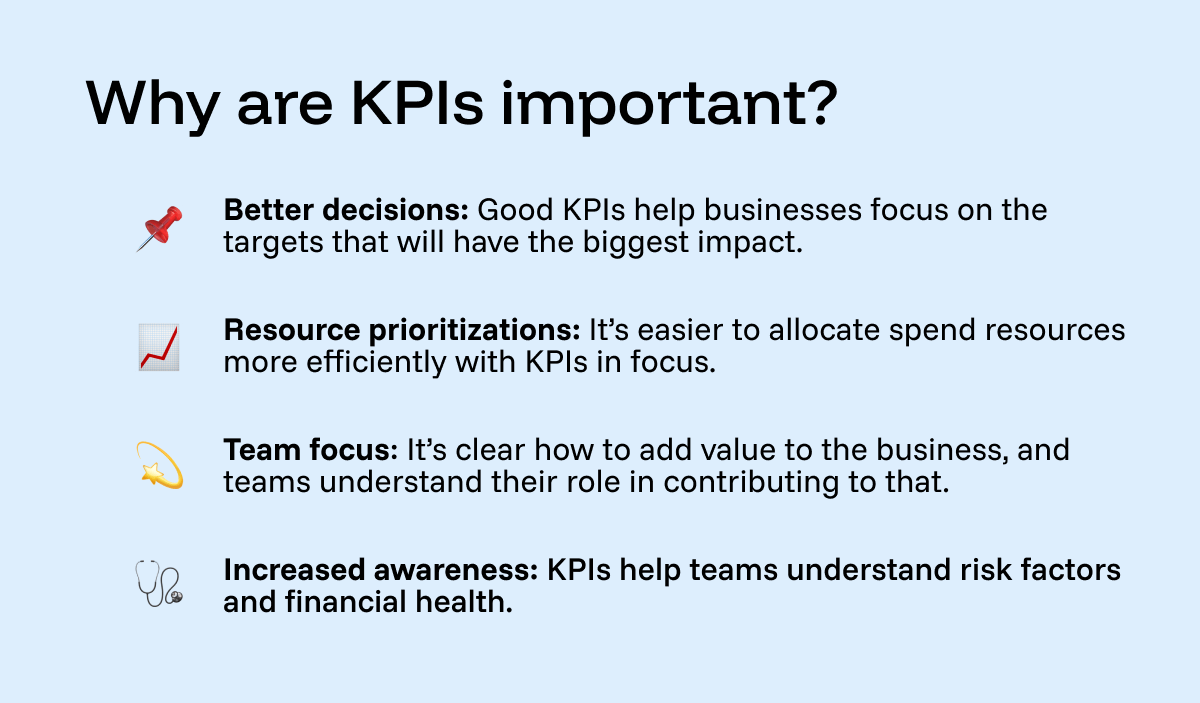
Building Your KPI Framework Before the Operate Phase Starts
The biggest mistake companies make with Operate phase management is waiting until problems appear before defining what good looks like. Your KPI framework should be agreed upon and documented before the Operate phase begins, not assembled reactively once something goes wrong.
Start with Business Outcomes, Not Activity Metrics
The most effective frameworks work backwards from business outcomes. If the goal of your offshore center is to accelerate product delivery, your KPIs should connect team-level activity directly to release frequency and customer impact. If the goal is cost efficiency, your KPIs should track cost per output unit alongside quality indicators so you are not just measuring savings in isolation.
The DORA metrics framework, developed through years of research into software delivery performance, offers a useful starting point. It measures four core dimensions: deployment frequency, lead time for changes, change failure rate, and time to restore service. These four metrics together give you a reliable signal of whether a software team is operating at a high level, and they translate well into a BOT context because they focus on outcomes rather than effort.
Set Baseline Expectations Early
Your KPI targets should not be pulled from industry benchmarks alone. They should be calibrated against the specific context of your team, your product, and your industry. This calibration work belongs in the early weeks of the Operate phase, not after problems have already surfaced.
Work with your BOT partner to establish realistic baselines during the first four to six weeks of the Operate phase. Use those baselines to set improvement targets for the following quarter. This approach gives the team something concrete to work toward and gives you a defensible performance record to reference when Transfer discussions begin. The Project Management Institute's practice standards provide solid frameworks for structuring this kind of baseline-setting process across distributed teams.
Run Monthly Performance Reviews, Not Just Quarterly Ones
Waiting for quarterly reviews to assess software team performance during the Operate phase is too slow. In a BOT context, issues that go unaddressed for three months can compound into problems that take twice as long to fix. Monthly reviews that bring together your internal stakeholders and your BOT partner create a regular rhythm of accountability and course correction that keeps the Transfer timeline on track.
These reviews do not need to be lengthy. A focused ninety-minute session reviewing the key metrics, flagging any trends worth watching, and aligning on priorities for the next month is enough. The discipline of doing it consistently matters far more than the depth of any single session. Choosing a location with strong infrastructure and communication standards also makes this process significantly easier, which is one of the reasons Panama is gaining traction as a BOT hub. Our article on how Panama is becoming the strategic gateway for BOT business entities goes into detail on what makes it a strong operational base.
What Happens When KPIs Are Not Met Before the Transfer
This is the question most companies avoid asking until it is too late. If your team is not meeting its performance targets when the Transfer date arrives, you have a few options and none of them are particularly comfortable.
- You can delay the Transfer and use the additional time to address the gaps. This is usually the right call if the issues are fixable and the BOT partner is aligned on what needs to change.
- You can proceed with the Transfer and inherit the problems directly, which shifts the remediation burden entirely onto your internal team.
- You can renegotiate the terms of the Transfer to reflect the current state of the operation, which requires honest conversation but often leads to a better long-term outcome for both parties.
The Harvard Business Review has written extensively on the cost of inheriting underperforming teams in organizational transitions. The consistent finding is that companies that delay a Transfer to get performance right almost always outperform those that proceed on schedule with unresolved gaps. A short delay is almost always cheaper than the cost of fixing a structural performance problem after you own it.
Ready to Build a Team Worth Owning?
Tracking BOT model KPIs and managing software team performance across an offshore center is genuinely complex work. It requires local expertise, established processes, and a partner who is as invested in the quality of the Transfer as you are.
At BOT LATAM, we build performance management into the Operate phase from day one. That means agreed-upon KPI frameworks before the first sprint, monthly performance reviews throughout the engagement, and a transparent record of team health that makes the Transfer a confident decision rather than a leap of faith.
If you are exploring the BOT model for the first time or trying to figure out whether your current offshore setup is actually ready for a Transfer, we offer a free first call to talk through exactly where you are and what the right next step looks like. No pressure, no pitch. Just a straight conversation with people who have done this before. Reach out to us today and let us help you get it right.

Revolutionize Your Workflow with Our Innovative BOT Strategy!
Enhance your operations seamlessly and adapt to market demands
Contact Us


.jpg)