

A Step-by-Step Guide to the Build, Operate, and Transfer Phases
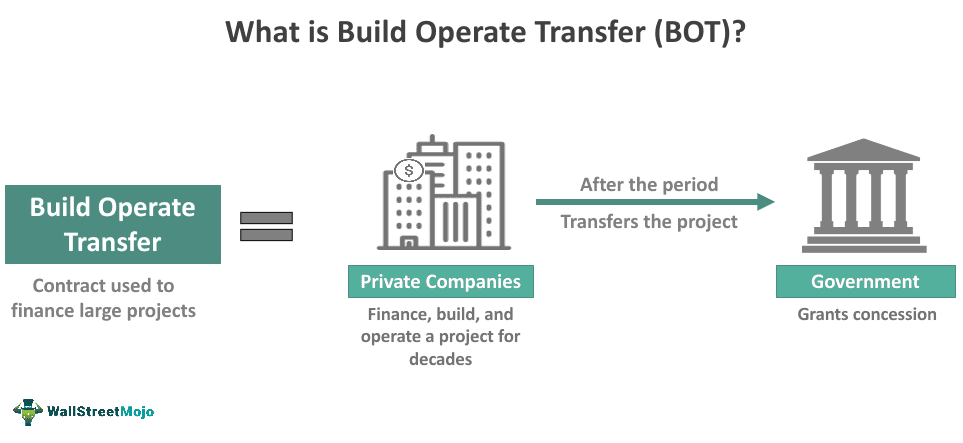
Most companies that explore outsourcing end up frustrated. They hire a vendor, hand off a project, and somewhere along the way lose visibility, lose control, or lose the team entirely once the contract ends. The Build-Operate-Transfer model was designed specifically to fix that. It gives you a structured path to build a dedicated offshore team, run it with full transparency, and eventually own it completely, people, processes, and all.
According to Deloitte's 2025 Global Outsourcing Survey, over 70% of organizations cited loss of control and knowledge retention as their biggest outsourcing pain points, and that number is expected to climb as more companies attempt rapid global expansion through 2030. The BOT model phases exist to address exactly this problem, one structured step at a time.
If you are considering an offshore center setup in Latin America, understanding what happens in each phase is not optional. It is the difference between a smooth expansion and an expensive mistake.
Before You Build Anything, You Need a Blueprint
The biggest reason BOT projects fail before they even start is skipping the groundwork. Companies rush into hiring and setting up offices without clearly defining what they need, where they need it, and how the operation should eventually look once it is fully theirs.
Nail Down Your Business Case First
Before engaging a BOT partner, you need to answer a few hard questions. What specific functions are you moving offshore? Are you building a software development team, a QA operation, a data team, or a combination of all three? What does success look like in twelve months versus three years? The clearer your answers, the smoother every phase that follows will be.
You also need to choose your location carefully. In Latin America, different countries offer different advantages. Argentina is strong in senior AI and engineering talent. Colombia, particularly Medellin, is growing fast in tech. Panama offers strategic advantages for business entities managing regional operations. Getting the location decision right before phase one begins saves significant time and money down the line.
Phase One: Build — Laying the Foundation Without the Growing Pains
The Build phase is where everything gets set up from scratch. Think of it as constructing the operational backbone of your future captive center, without having to manage every detail yourself.
Recruiting the Right People from Day One
Your BOT partner handles the full recruitment process. This means sourcing candidates, running technical assessments, managing interviews, and onboarding the people who will eventually become your in-house team. In LATAM, where countries like Brazil, Mexico, and Argentina collectively produce over 500,000 IT graduates annually, tapping into that pipeline correctly requires local knowledge and established networks. A seasoned BOT partner brings both of those things immediately.
This phase typically takes anywhere from four to six months depending on team size and the complexity of roles involved. The goal is not just to fill seats. It is to find people who align with your company culture, understand your product, and are capable of growing with your organization over the long term.
Setting Up Infrastructure That Works from Day One
Alongside recruitment, the Build phase covers the full offshore center setup. This includes office space, IT systems, legal entity formation, compliance frameworks, payroll structures, and HR administration. Your BOT partner manages all of it so you are not navigating foreign labor laws or local bureaucracy on your own.
This is one of the clearest distinctions between the BOT model phases and traditional outsourcing. With outsourcing, the vendor owns the infrastructure. With BOT, everything being built is designed from the very start to eventually belong to you. That shift in ownership intent changes how every decision in this phase gets made. The World Bank's Business Enabling Environment indicators highlight just how complex legal and regulatory setup can be across different markets, which is exactly why having a local partner manage this layer is so valuable.
Phase Two: Operate — Where the Real Work Happens
Once your team is in place and your systems are running, you move into the Operate phase. This is the longest phase of the Build-Operate-Transfer guide and also the most important one to get right. It is where your offshore team goes from newly assembled to genuinely productive.
Running the Operation with Full Visibility
During this phase, your BOT partner manages the day-to-day operations of your offshore team. That includes project management, performance tracking, HR functions, and administrative oversight. But here is what makes this phase different from simply outsourcing the work. You are actively involved throughout the entire process.
You set the direction. You define the priorities. You maintain full visibility into how the team operates and how performance is being measured. The partner handles the operational complexity so you can focus on the output rather than the logistics behind it.
Building Institutional Knowledge That Stays With You
One of the most underrated parts of the Operate phase is knowledge transfer. In a traditional outsourcing arrangement, the vendor's team carries all the institutional knowledge. When the contract ends, that knowledge walks out the door with them.
In the BOT model, this works very differently. The team being built is learning your systems, your codebase, your workflows, and your company culture. Every process they master becomes a process your captive center will eventually own. This is why the Operate phase is not just about getting work done. It is about systematically building an organization that can stand entirely on its own once the Transfer phase arrives.
Performance Loops That Keep the Team Sharp
Strong BOT partners track KPIs throughout the Operate phase and run regular optimization cycles. If something is slowing the team down, whether it is a process gap, a tooling issue, or a communication bottleneck, it gets identified and resolved before it becomes a structural problem. This ongoing calibration is what ensures the team you receive during the Transfer phase is genuinely high-performing and not just technically assembled.
Regular check-ins, transparent reporting, and clearly defined milestones are not nice-to-haves during this phase. They are the foundation of a successful handover. If your BOT partner cannot show you exactly how the team is performing at any given point, that is a red flag worth taking seriously.
Phase Three: Transfer — Taking the Wheel for Good
The Transfer phase is the finish line and it is what sets the BOT model apart from every other outsourcing structure available today. This is where everything you have built and optimized officially becomes yours.
A Handover That Actually Transfers Everything
When the time comes, your BOT partner facilitates a complete handover of the operation to your organization. This includes the team, the infrastructure, the contracts, the legal entities, the tools, and every process that has been built and refined during the Operate phase.
You are not starting over. You are inheriting a fully functioning offshore center that already knows how to deliver for your business. The people on the team are not strangers. They have been working within your systems and toward your goals for months or years by this point. That continuity is one of the most valuable things the BOT model produces and it is something no traditional outsourcing contract can replicate.
You Are in Control from Here
Once the Transfer is complete, the operation is yours. You manage it directly, hire into it, scale it, and run it as a true captive center. There are no ongoing vendor fees, no dependency on a third party, and no risk of losing your team because a contract expired. This is the long-term payoff of following the Build-Operate-Transfer guide from the very beginning and committing to each phase properly.
Some companies choose to keep their BOT partner involved in an advisory capacity after the Transfer. Others prefer a clean break and full independence. Either way, the choice is entirely yours. That is the point.
The BOT Model Is Not for Everyone, But If It Fits, Nothing Else Compares
If you are running a short-term project or need a small team for a quick deliverable, BOT is probably not the right fit. But if your goal is to build a lasting offshore presence, access a high-quality talent pool in Latin America, and eventually own a captive center that operates as a true extension of your company, the BOT model phases deliver something traditional outsourcing simply cannot match.
The cost savings are real. Companies using nearshore BOT arrangements in LATAM regularly report operational expense reductions of up to 50%, with developer costs running approximately 60% lower than equivalent US-based roles. But the savings are only part of the story. The real value is control, continuity, and a team that grows with you over time rather than disappearing the moment a contract expires.
The Build-Operate-Transfer guide also gives you something rare in the world of outsourcing, which is predictability. You know what happens in each phase, you know what you are working toward, and you know exactly what you will own at the end. For companies serious about building a long-term offshore presence, that level of clarity is worth a great deal.
Ready to Start Your BOT Journey? BOT LATAM Is Here to Help
At BOT LATAM, we excel in setting up, running, and transferring fully operational development centers across Latin America. From the initial feasibility study to the final handover, we handle every step of the offshore center setup so you can stay focused on building your product and growing your business.
We have helped companies across multiple industries navigate all three BOT model phases with clarity and confidence. Whether you are just starting to explore the model or you already know LATAM is the right move and just need the right partner to execute it, we are ready to help.
We offer a free first call to walk through your specific goals, answer your questions honestly, and help you figure out whether a LATAM BOT center makes sense for where your business is headed. No pressure, no hard sell. Just a straightforward conversation about what is possible.
Reach out to BOT LATAM today and let us start building something together.

Revolutionize Your Workflow with Our Innovative BOT Strategy!
Enhance your operations seamlessly and adapt to market demands
Contact Us


.jpg)