
Setting up a software hub in Latin America sounds straightforward until you are actually in the middle of it. You have a country shortlisted, a rough budget approved, and a general sense that the talent is there. Then the questions start stacking up. What entity structure do you need? Who handles compliance? How long does recruitment actually take? What does a productive first month look like? Most companies underestimate how many moving parts are involved, and they pay for that underestimation in delays, cost overruns, and teams that take twice as long to become productive as expected. Latin America has climbed steadily in attractiveness for nearshore tech operations, with Brazil, Mexico, Colombia, and Argentina all ranking among the top destinations globally for software development outsourcing. The region is not a hidden gem anymore. It is a proven destination, and the companies getting the most out of it are the ones who show up prepared. This software hub checklist covers everything you need to get it right from day one, whether you are setting up independently or through a BOT partner.
Before You Book a Single Flight, Get Your Strategy Straight
The most expensive mistake in any nearshoring setup guide is skipping the strategic layer and jumping straight to execution. Hiring before you have defined what you are building is how you end up with a team that does not fit your product, your culture, or your growth trajectory.
Define the Function Before You Define the Location.
Start with a simple question: what is this hub actually for? A cost-reduction play looks very different from a product innovation center. A team built to handle overflow QA work has different hiring profiles, infrastructure needs, and governance structures than a team built to own a full product vertical. Get that clarity in writing before anything else happens. Your hub's purpose determines your location, your team composition, and your timeline.
Pick Your Country Based on What You Actually Need.
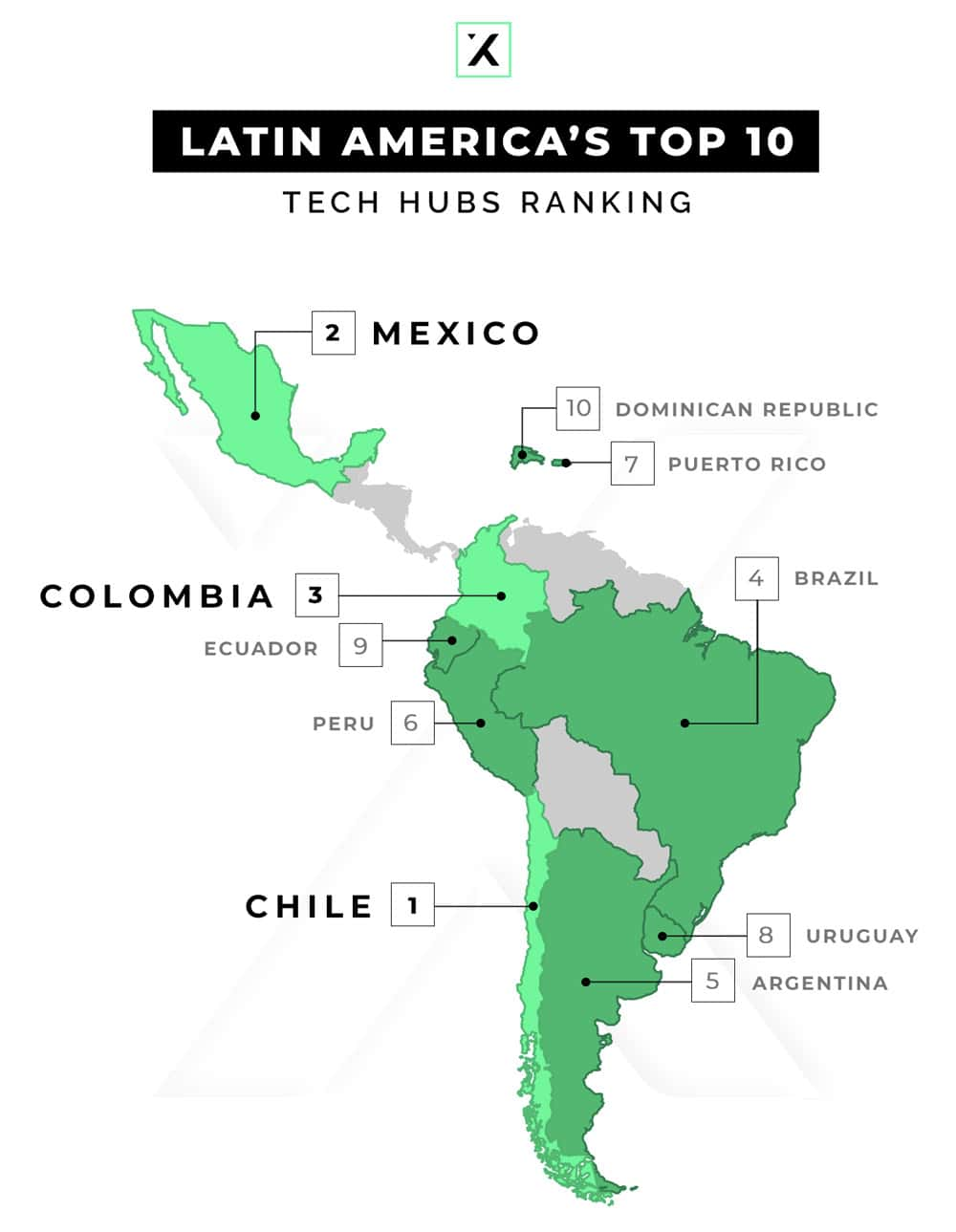
Different LATAM countries are strong in different areas. Mexico offers proximity to the US and a massive talent pool for web and mobile development. Colombia, particularly Medellin and Bogota, has strong mid-level engineering talent and a growing startup ecosystem. Argentina punches above its weight in senior AI and engineering talent. Brazil is the largest market but comes with more complex legal and tax structures. Uruguay and Costa Rica are smaller but known for high-quality, stable engineering teams.
Our breakdown of the best nearshore locations to build a LATAM CoE goes deeper on what makes each country a strong or weak fit depending on your specific technical needs. Read it before you finalize a location decision.
The Legal and Compliance Checklist
This is the part most companies want to skip and the part that causes the most problems when skipped. Getting your legal foundation right before you hire a single person saves you significant time, money, and risk down the line.
Entity Setup:
You need to decide whether you are establishing a legal entity in your chosen country or operating through a third-party employer of record or BOT partner. Each option has different implications for control, tax exposure, and long-term ownership. If your goal is to eventually own the operation outright, entity setup is a necessary step. If you are testing the market before committing, an EOR arrangement may make more sense in the short term.
The specific requirements vary significantly by country. Brazil requires a CNPJ registration and has complex labor law requirements. Mexico's REPSE registration is mandatory for any company providing specialized services. Colombia requires a chamber of commerce registration and separate tax registration with the DIAN. Argentina has its own set of registration requirements and currency control rules that affect how you pay an offshore team. Work with a local legal partner who specializes in tech company setup in your chosen country.
Employment and Labor Compliance:
Every LATAM country has its own labor laws, and they are not always intuitive for US-based companies. Many countries have mandatory profit-sharing requirements, specific termination notice periods, and benefits structures that go beyond what US employers typically offer. In Brazil, the CLT labor regime includes mandatory 13th-month salary payments, FGTS contributions, and vacation bonuses. In Mexico, the profit-sharing requirement known as PTU applies to most companies and requires a 10% profit distribution to employees annually.
Understanding these obligations upfront is not optional. They affect your true cost per hire and your operational budget. The International Labour Organization's country profiles are a useful reference point for getting a baseline understanding of labor requirements across different LATAM markets before you engage local legal counsel.
Tax Structure and Transfer Pricing:
If you are setting up a subsidiary or affiliate, you need a transfer pricing policy that governs how your LATAM entity is compensated for its services. This is a tax compliance requirement in most LATAM countries and one that gets overlooked surprisingly often by companies focused on the operational side of setup. Engage a tax advisor who understands both US and local tax obligations before you finalize your entity structure.
The Infrastructure and Operations Checklist
Once your legal foundation is in place, you need to set up the physical and technical environment your team will work in.
Office and Physical Setup
Even if your team is primarily remote, most BOT arrangements and nearshore hubs benefit from a physical anchor. This could be a full dedicated office, a co-working arrangement, or a hybrid setup where some team members work on-site and others work remotely. Your physical setup affects your ability to run onboarding sessions, foster team culture, and handle any equipment or security requirements your product may have.
Factor in internet redundancy, power backup, and hardware procurement timelines into your setup plan. In some LATAM countries, importing hardware can take longer than expected due to customs processes. Procuring locally is often faster but requires knowing which vendors to work with.
Security and Data Compliance
If your product handles sensitive data, particularly if you operate under HIPAA, SOC 2, or GDPR requirements, your nearshore hub needs to meet the same compliance standards as your US operations. This means documented security policies, access control frameworks, and regular audits. It also means thinking carefully about data residency requirements and ensuring your LATAM team's tooling and infrastructure does not create compliance gaps.
The Talent and Team-Building Checklist
This is where most of the attention goes, and rightly so. Your team is the whole point of the hub. But talent acquisition in LATAM is competitive, and the companies that move fastest are the ones with the strongest local networks and the clearest hiring profiles.
- Build Your Hiring Profile Before You Open Requisitions
Define your technical requirements, seniority levels, and culture expectations before you start interviewing. Vague job descriptions produce vague candidate pools. Be specific about the stack, the level of English fluency required, the working hours overlap you need, and the kind of product environment the candidate will be stepping into. Our guide on steps to build a nearshore tech team through the BOT model covers the hiring process in detail, including how to structure technical assessments and what to look for in senior versus mid-level candidates across different LATAM markets.
- Plan for a Four to Six Month Ramp
Realistic expectations matter here. Finding, hiring, and onboarding a team of ten to fifteen engineers in LATAM takes time even with a strong local partner. Plan for four to six months from the start of the recruitment process to a fully productive team. Companies that expect a fully operational hub in sixty days consistently run into problems because they skip critical onboarding steps or rush hiring decisions that they later have to reverse. According to a 2024 LinkedIn Workforce Report, tech hiring timelines across Latin America have extended by an average of three weeks compared to pre-2022 levels as competition for senior talent has increased. Build that reality into your planning timeline.
- Onboarding as a System, Not an Event
Your onboarding process needs to be documented and repeatable before your first hire starts. New engineers in a nearshore hub should be able to get their development environment running, understand the codebase structure, and push a small change within their first week. If that is not possible with your current documentation, fix the documentation before the hire date, not after. Our piece on how to leverage nearshore software development hubs in 2025 covers onboarding frameworks and communication structures that work specifically in a nearshore context, including how to handle the first thirty, sixty, and ninety days effectively.
The Governance and Communication Checklist
A software hub without a clear governance structure becomes a disconnected outpost. The goal is integration, not isolation.
Establish Reporting Lines Before Day One
Every engineer on your nearshore team should know who they report to, what they are working on, and how their work connects to the broader product roadmap. This sounds obvious but gets missed more often than it should. Define the reporting structure, decision-making authority, and escalation paths before your first team member starts.
Set Communication Rhythms That Respect Time Zones
Most LATAM countries operate within one to three hours of US Eastern time, which makes real-time collaboration genuinely feasible. Use that overlap window deliberately. A daily thirty-minute alignment session during overlap hours, combined with solid async documentation for everything else, keeps distributed teams connected without burning anyone out on back-to-back video calls.
Why Do We Recommend Working with BOT LATAM?
Setting up a software hub in LATAM involves a lot of moving parts and the nearshoring setup guide above only covers the essentials. The legal layer, the compliance requirements, the talent sourcing, the infrastructure setup, and the governance structure all need to come together in the right sequence or you end up with delays that cost more than the setup itself.
At BOT LATAM we handle every item on this software hub checklist for you. If you want to set up business in LATAM this year and want to do it without trial and error, we offer a free first call to walk through your specific situation and help you figure out the fastest path to a productive, compliant, fully operational hub. Reach out to us today and let us take the complexity off your plate.

Revolutionize Your Workflow with Our Innovative BOT Strategy!
Enhance your operations seamlessly and adapt to market demands
Contact Us